Original Article – DOI: 10.33594/000000882
CPB (60): 445 - 457
Accepted: 9.06.2026 - Published: 20.08.2026
Molecular Characterization of OXA Carbapenemase Genes in Acinetobacter Baumannii Isolated from Different Clinical Samples
Keywords
Abstract
Background/Aims: Acinetobacter baumannii is an opportunistic gram-negative pathogen and an increasingly important cause of hospital-acquired infections, particularly in intensive care units. Its remarkable ability to rapidly acquire resistance mechanisms, especially against carbapenems, represents a major public health concern. This study aimed to investigate the molecular detection and characterization of OXA-type carbapenemase genes in A. baumannii isolates collected from various clinical sources in Baghdad, Iraq. Methods: Between March and July 2025, 36 non-repetitive A. baumannii isolates were obtained from patients with different infections. Identification was performed using standard biochemical tests, CHROMagar Acinetobacter, and the VITEK 2 system and was confirmed by PCR amplification of the intrinsic blaOXA-51 gene. Antimicrobial susceptibility testing was conducted according to CLSI guidelines. The prevalence of blaOXA-23, blaOXA-24, blaOXA-51, and blaOXA-58 genes was determined by PCR. Selected PCR products were sequenced and subjected to phylogenetic analysis. Results: Extensive antimicrobial resistance was observed among the isolates, particularly to carbapenems, with resistance rates of 83.3% for imipenem and 72.2% for meropenem. High resistance rates were also detected for fluoroquinolones and aminoglycosides, whereas colistin and tigecycline retained comparatively greater activity. PCR screening revealed prevalence rates of 100% for blaOXA-51, 86.1% for blaOXA-23, 69.4% for blaOXA-24, and 47.2% for blaOXA-58. Multiple blaOXA genes were detected in more than half of the isolates, suggesting horizontal gene transfer and local clonal expansion. Phylogenetic analysis demonstrated high similarity between local isolates and international reference strains, supporting the widespread dissemination of resistance determinants. Several nucleotide substitutions were identified within the blaOXA-23 and blaOXA-24 genes. Conclusion: The findings indicate that blaOXA-23 is the predominant contributor to carbapenem resistance among A. baumannii isolates in Baghdad, while blaOXA-24 and blaOXA-58 are also increasingly prevalent. The observed resistance patterns and phylogenetic relationships underscore the importance of continuous molecular surveillance, antimicrobial stewardship, and effective infection control measures to limit the spread of multidrug-resistant A. baumannii. These data contribute valuable regional information to the global understanding of antimicrobial resistance epidemiology.
Introduction
Notably, among these is an important nosocomial pathogen, Acinetobacter baumannii, which is multidrug-resistant and has a high capacity for the acquisition of antimicrobial resistance (AMR) mechanisms. OXA-type carbapenemases fall into this category of class D β-lactamases and are of special concern because of their ability to hydrolyze carbapenems, thereby reducing the odds of therapeutic options among the resistance mechanisms [1]). Clinical isolates of A. baumannii frequently carry OXA-type enzymes, including OXA‑23, OXA‑24, OXA‑58, and the intrinsic chromosomal OXA‑51‐like variants with associated IS elements, such as ISAba1, which are known to increase the expression of OXA enzymes, leading to high-level resistance. Finally, a multicenter study conducted in Egypt described the ubiquitous presence of blaOXA‑51‑like and predominant occurrence of blaOXA‑23 (88%) in association with lower frequencies of blaOXA‑24 and blaOXA‑58 (33% and 23%, respectively). This trend is consistent with international reports highlighting the predominance of OXA‑23 in hospitals [2] The localization and context data we have, the location of ISAba1 relative to them, provides insight into their expression. In one study, ISAba1 was found to be upstream of blaOXA‑23 in most of the Indian clinical isolates and frequently co-located with the blaOXA‑51 gene. This highlights the need for molecular surveillance to determine not only the presence of resistance genes but also their mobilization potential and regulation [3]. Several local studies conducted in Iraq have reported high resistance rates among local isolates [4, 5, 6]. Most molecular epidemiology studies on A. baumannii have examined human clinical isolates. Nevertheless, cross-host and cross-sector investigations, such as genomic blaOXA‑23 identification in human and veterinary isolates, illustrate emerging reservoirs and transmission risks outside the hospital setting [7]. Based on these previous findings, this study aimed to determine the prevalence of OXA-type carbapenemase genes (blaOXA‑23, ‑24, ‑and 58 and intrinsic OXA‑51). This study elucidates an explicit knowledge gap: while OXA-type carbapenemase prevalence has been studied internationally, combined genotype and phenotype correlation data from Baghdad, Iraq, remain scarce. This study has the advantages of regional molecular epidemiology by providing novel local prevalence data, phylogenetic context links of local isolate species compared to global strains, and resistance characterization that can inform local antimicrobial stewardship policy [8, 9].
Materials and Methods
Bacterial isolates
Thirty-six A. baumannii isolates were obtained from hundred and fifty clinical specimens (burn swabs, wound swabs, blood, and ear discharge) from patients at Baghdad Hospitals, Iraq, between March and July 2025. Bacterial culture and characterization were performed using standard laboratory techniques. All A. baumannii isolates were recovered during the study period (March–July 2025) were included. The inclusion criteria were gram-negative, non-fermentative coccobacilli confirmed as A. baumannii by standard biochemical tests, CHROMagar, VITEK 2, and blaOXA-51-based PCR. The exclusion criteria were duplicate isolates from the same patient, polymicrobial cultures where A. baumannii could not be reliably distinguished, and isolates with insufficient material for molecular analysis. Each included isolate was attributed to a unique patient (nonrepetitive). The media used for culturing included CHROMagar Acinetobacter, MacConkey agar, and blood agar plates for specimen streaking. Many characteristics were used for bacterial identification, such as culture characteristics, Gram staining, and conventional biochemical tests. Identification of the isolates was performed by standard identification, confirmation, and complete method, and identification of gram-negative bacilli was also performed using the VITEK2 system with ID-GNB card according to the manufacturer’s instruction (bioMérieux). In addition, A. baumannii species were confirmed by PCR amplification of the blaOXA-51-like gene.
Antimicrobial susceptibility testing
Antimicrobial susceptibility testing was performed using the agar disk diffusion method, according to the manufacturer’s instructions and the Clinical and Laboratory Standards Institute (CLSI) standards. The antimicrobial agents applied were Amikacin (30 µg), Gentamicin (10 µg), Imipenem (10 µg), Meropenem (10 µg), Ceftazidime (10 µg), Cefotaxime (30 µg), Ciprofloxacin (5 µg), Levofloxacin (5 µg), Tigecycline (30 µg), Aztreonam (30 µg), Cefepime (10 µg), Piperacillin (30 µg), Trimethoprim / Sulfamethoxazole (25 µg) and Colistin (10 µg). The inhibition zones around each disk were measured. Broth microdilution method: Mueller-Hinton broth was used for minimal inhibitory concentration (MIC) determination against the antibiotics described above, according to CLSI guidelines. We used Escherichia coli ATCC 25922 and Pseudomonas aeruginosa ATCC 27853 strains as quality reference strains. An isolate of A. baumannii was classified as MDR based on the internationally accepted definition of non-susceptibility to at least one agent in three or more antimicrobial categories [10].
DNA extraction
Qiagen DNeasy blood and tissue kit (Qiagen, Hilden, Germany) were used to extract gDNA according to the manufacturer´s specifications. The purity of the extracted DNA was checked using a NanoDrop ND-1000 by measuring the absorbance at 260/280 nm.
Detection of blaOXA carbapenemase genes
A panel of blaOXA-like genes, including blaOXA−51, blaOXA−23, blaOXA−24, and blaOXA−58 [11], was amplified using the method described previously. Qiaquick PCR purification kits (Qiagen, Valencia, CA, USA) were used to purify the amplified DNA fragments. PCR analysis was carried out using the primers shown in Table 1. Amplification was performed using a PCR assay, as previously described, to detect blaOXA genes in the A. baumannii isolates, with the following amplification conditions: initial denaturation at 94 °C for 5 min, followed by 30 cycles of 94 °C for 25 s, 52 °C for 40 s, 72 °C for 50 s, and final elongation at 72 °C for 6 min.
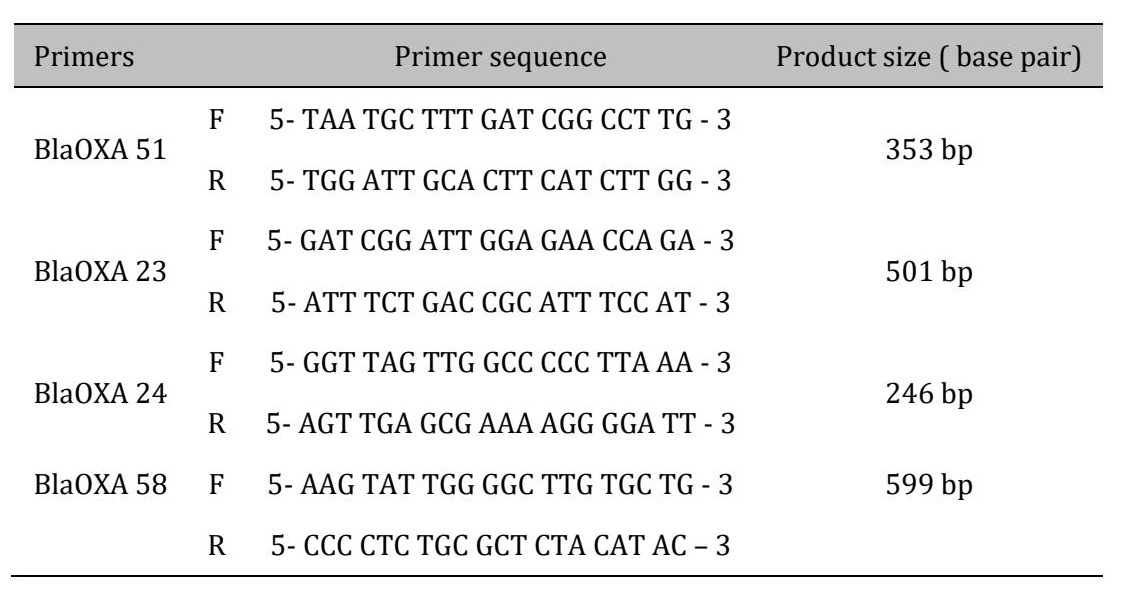
Table 1: PCR primers to detect genes encoding blaOXA carbapenemase genes
Study the variants of blaOXA genes
Five isolates were chosen for sequencing based on their diverse OXA gene combination profiles and representation of different clinical specimen types (wound, blood, and burn). From these, the nucleotide sequence of the blaOXA genes of interest was extracted. For the detection of PCR products of the genes blaOXA-23, blaOXA-24, blaOXA-51, and blaOXA-58, agarose gel electrophoresis was performed, and sequencing was performed on an AB capillary system at Macrogen Research, Seoul, Korea. PCR products were sequenced directly without prior purification, using both strands. The relevant regions of the extracted DNA sequences were analyzed, and similarity searches were conducted using the Basic Local Alignment Search Tool (BLAST) on the NCBI website (http://www.ncbi.nlm.nih.gov). All nucleotide sequences of the blaOXA genes of A. baumannii reference strains from different countries were retrieved from public databases (GenBank) and aligned with the ClustalW method of MEGA6 software. Phylogenetic analysis was performed using the Unweighted Pair Group Method with Arithmetic mean (UPGMA) of the same software.
Results
Isolation and Identification of A. baumannii
The isolates were characterized by gram staining, cultural properties, and biochemical profiles. The 150 different types of clinical specimens were cultured on CHROMagar Acinetobacter, MacConkey agar and blood agar and incubated for 24 hours at 37°C; isolates that developed on these media were confirmed by evaluating the following characteristics. The isolation of the A. baumannii pathogen species was performed using CHROMagar Acinetobacter medium. A. baumannii isolates produced characteristic bright salmon-red colonies on CHROMagar Acinetobacter after 24 hours of incubation at 37°C. The VITEK2 system was used for confirmation of the identification of Acinetobacter baumannii. The results demonstrated that 36 isolates were identified from all specimens.
Detection of blaOXA Genes by Polymerase Chain Reaction (PCR)
The PCR method was applied for the detection of OXA-type carbapenemase genes (blaOXA-51, blaOXA-23, blaOXA-24 and blaOXA-58) present in clinical strains of Acinetobacter baumannii. Amplification for the intrinsic resistance gene blaOXA-51 generated a 353 bp product in several isolates (lanes 1–10) (Fig. 1), confirming the presence of this intrinsic resistance gene in A. baumannii. The molecular detection of A. baumannii was performed by amplifying the blaOXA-51-like gene from genomic DNA. As shown in Fig. 1, all 36 isolates (100%) that were positive for the blaOXA-51-like gene were identified as A. baumannii. A collection of 36 Acinetobacter baumannii isolates was tested for susceptibility against 14 antimicrobial agents. Most antibiotics had concerningly high resistance rates. Ciprofloxacin (CIP) exhibited 77.7% resistance, followed by levofloxacin (LE, 66.6%), gentamicin (GM, 63.9%), and amikacin (AK, 58.3%). Imipenem (IPM) and meropenem (MEM) resistance was considerable (83.3% and 72.2%, respectively). Likewise, resistance was very high for ceftazidime (CAZ, 86.1%) and cefotaxime (CTX, 80.5%). Colistin (CO) and tigecycline (TGC) were the most effective drugs, with susceptibility rates of 66.6% and 77.7%, respectively. Resistance to colistin was observed in only 25% of the isolates and 13.8% to tigecycline. Differences were statistically significant (P < 0.001) (Table 2). According to the results of blaOXA gene detection by PCR (Figures 2, 3, and 4), the presence of acquired resistance determinants was demonstrated. PCR amplification of blaOXA-23 generated a 501 bp product that was observed in several isolates (lanes 1–8). blaOXA-24 produced a 246 bp band in several isolates (lanes 1–5), whereas blaOXA-58 generated a 599 bp fragment and was detected in 17 isolates. All 36 strains carried blaOXA-51-like genes (100%). The blaOXA-23 gene was found in 86.1% (31/36) of the isolates and blaOXA-24 in 69.4% (25/36) of the isolates. blaOXA-58 was positive in 47.2% (17/36) of the isolates and negative in 52.8% (19/36) (Table 3).
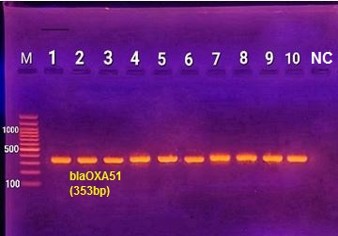
Fig. 1: Agarose gel electrophoresis of PCR products for the resistance gene blaOXA51. (353bp). Lane M: 100bp DNA ladder; lanes 1-10: A. baumannii isolates; (80V for 2hr).
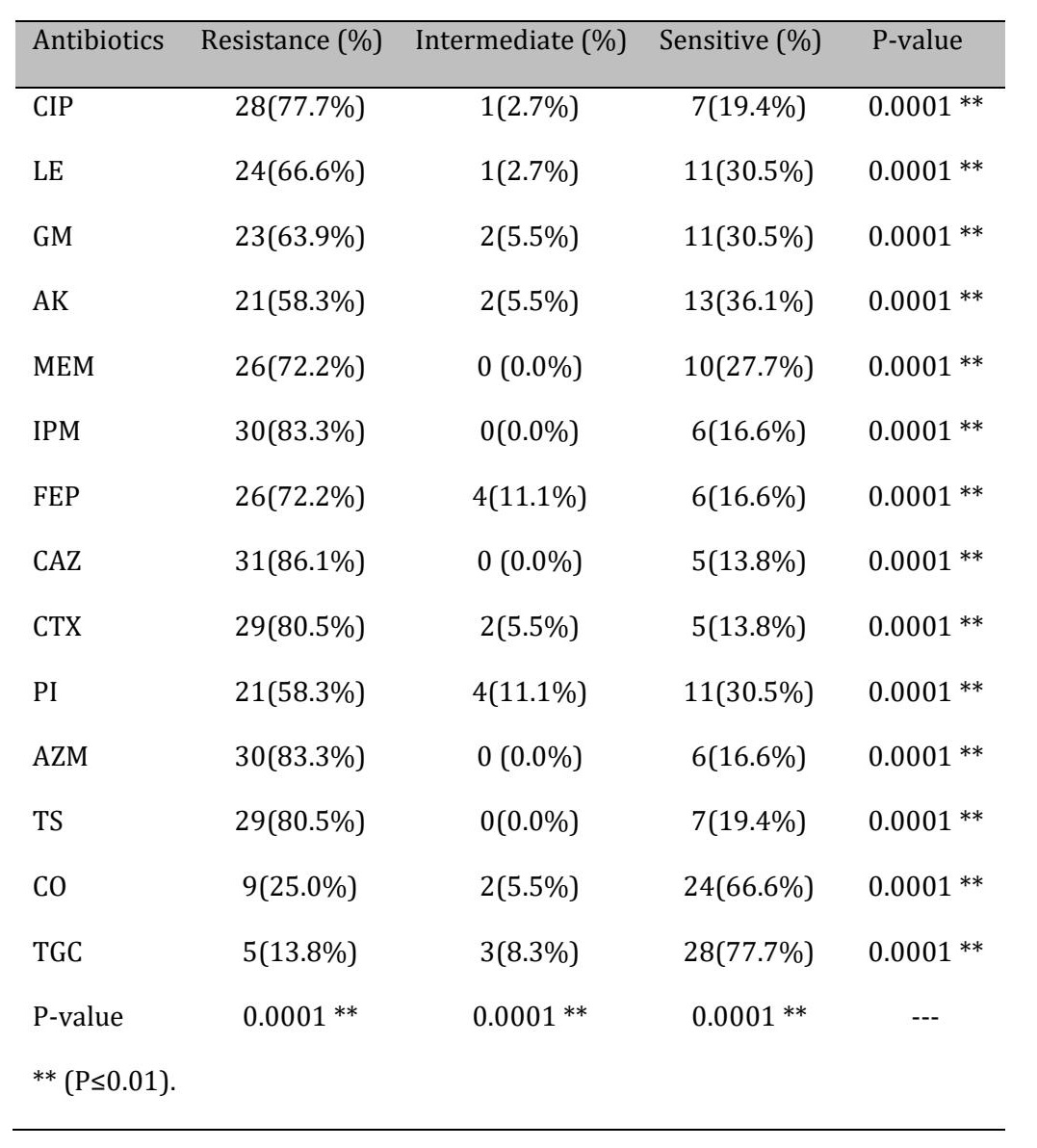
Table 2: Percentages of antimicrobial susceptibility rates of 36 A. baumannii isolates against 14 antimicrobial agents. Aztreonam (AZM), Amikacin (AK), Gentamicin (GEN), Imipenem (IPM), Meropenem (MEM), Levofloxacin (LEV), Ciprofloxacin (CIP), Tigecycline (TGC), Cefotaxime (CTX), Colistin (CO), Piperacillin (PI), Cefepime (FEP), Trimethoprim / Sulfamethoxazole (SXT) and Ceftazidime (CAZ).
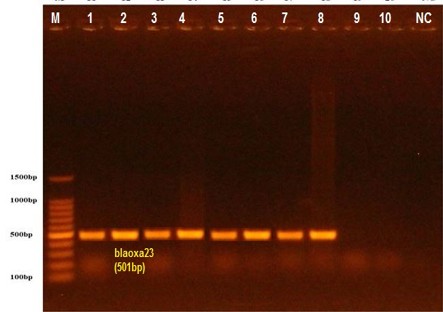
Fig. 2: Agarose gel electrophoresis of PCR products for the resistance genes blaOXA23. (501bp). Lane M: 100bp DNA ladder; lanes 1-8: A. baumannii; (80V for 2hr).
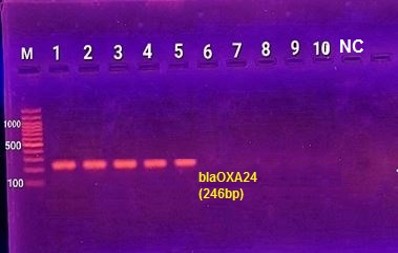
Fig. 3: Agarose gel electrophoresis of PCR products for the resistance genes blaOXA24. (246bp). Lane M: 100bp DNA ladder; lanes 1-5: A. baumannii isolates; (80V for 2hr).
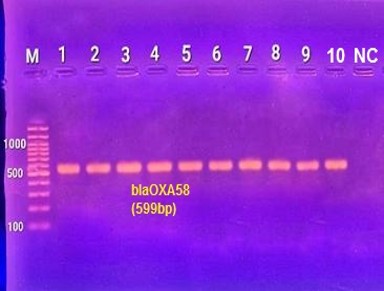
Fig. 4: Agarose gel electrophoresis of PCR products for the resistance gene blaOXA58. (599bp). Lane M: 100bp DNA ladder; lanes 1-10: A. baumannii isolates; (80V for 2hr).
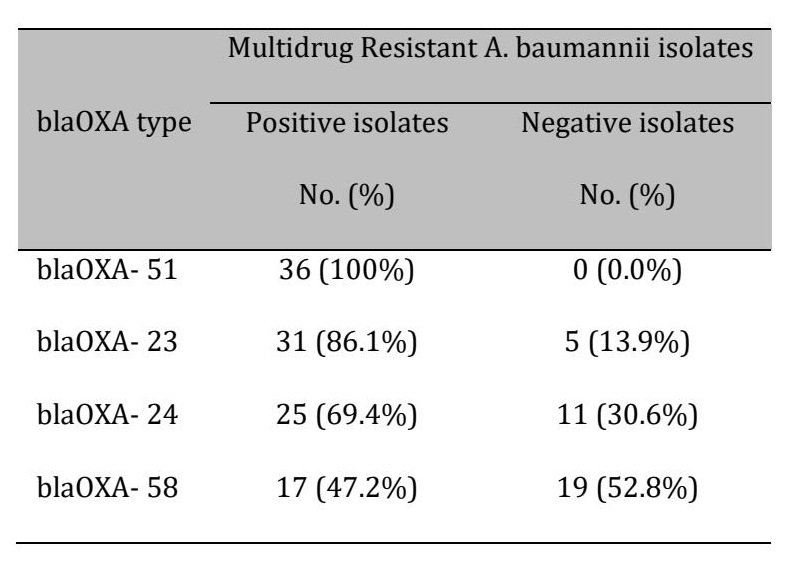
Table 3: The distribution of blaOXA-types among 36 multidrug-resistant A. baumannii isolates
Sequence Alignment and Phylogenetic Analysis
High homology was detected by sequence alignment of blaOXA-51, blaOXA-23, blaOXA-24, and blaOXA-58 genes from local isolates (for example, AAA6 and AAA3) with the reference A. baumannii sequences from GenBank. Phylogenetic analysis based on the UPGMA method of the blaOXA-23 gene, found in isolate AAA6, clustered closely with global A. baumannii strains (Fig. 5). Alignment of the blaOXA-23 gene from isolate AAA6 with reference sequence MF594774.2 revealed several mutations (deletions and substitutions) at positions 12, 21, 27, 35, 142, and 181 (Fig. 6). The AAA Iraq isolate formed a distinct cluster within the phylogenetic tree. Isolates from France formed a subcluster, whereas sequences from Madagascar, Croatia, Serbia, and Iran showed close evolutionary relatedness. The Ecuadorian strain appeared more distant, suggesting historical divergence. Isolates carrying blaOXA-23 from Asia, Europe, Africa, and South America exhibited high sequence similarity (Fig. 7).
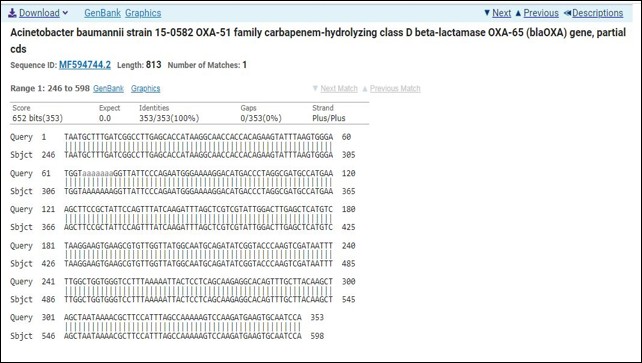
Fig. 5: Alignment of the A. baumannii blaoxa51 gene sequence from the local isolate AAA6 with the reference strain A. baumannii available in GenBank.
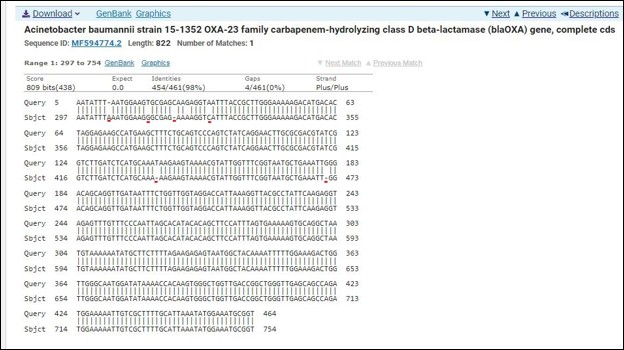
Fig. 6: Alignment of the A. baumannii blaoxa23 gene sequence from the local isolate AAA6 with the reference strain A. baumannii available in GenBank.
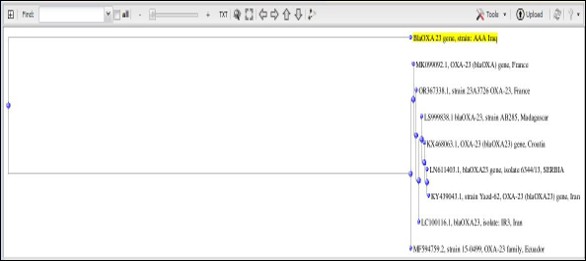
Fig. 7: Phylogenetic relationships based on partial nucleotide sequence of the blaOXA23 gene of A.baumannii local isolate (AAA6). Cluster analysis was based upon the UPGMA (Unweighted Pair Group Method with Arithmetic mean) method.
Alignment of the blaOXA-24 gene from isolate AAA6 with reference sequence LC103137.1 revealed multiple mutations at different positions (Fig. 8). Fig. 9 illustrates the alignment of the blaOXA-58 gene sequence from isolate AAA3 with a reference A. baumannii sequence and demonstrated approximately 99% similarity.
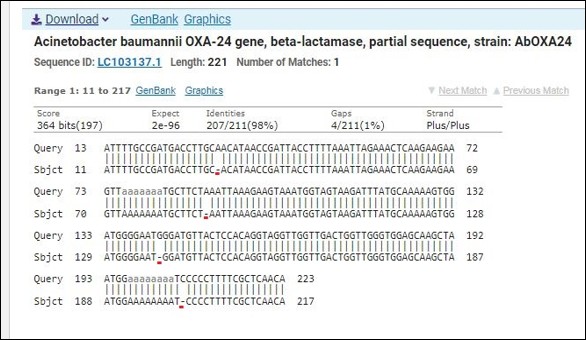
Fig. 8: Alignment of the A. baumannii blaoxa24 gene sequence from the local isolate AAA6 with the reference strain A. baumannii available in GenBank.
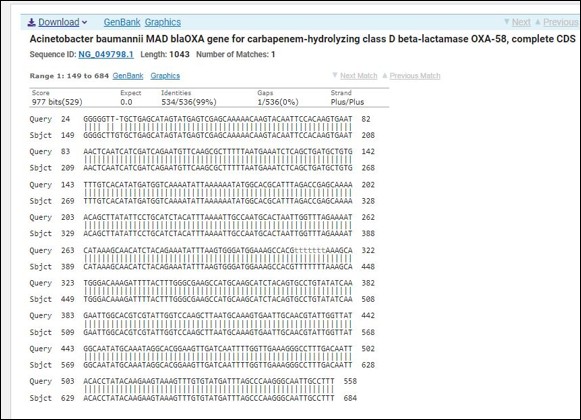
Fig. 9: Alignment of the A. baumannii blaoxa58 gene sequence from the local isolate AAA3 with reference strain A. baumannii OXA23AB available in GenBank.
Discussion
All isolates were found to contain blaOXA-51, which was expected because of its chromosomally encoded nature and the strict species specificity of this marker of A. baumannii, confirming the identity of the isolates. These genes alone probably do not confer high-level carbapenem resistance; overexpression requires upstream insertion sequences, such as ISAba1. As ISAba1 was not directly investigated in the present study, any link between ISAba1 and elevated resistance levels should be considered inferential rather than experimentally demonstrated [12, 13]. This study emphasizes an important antimicrobial resistance problem in A. baumannii, particularly for clinically important β-lactams and carbapenems. Carbapenem-resistant A. baumannii (CRAB) strains are considered a priority pathogen by the WHO and are associated with limited treatment options and high mortality rates [14]. The increased prevalence of CRAB in healthcare settings has been reported worldwide [15]. In our clinical setting, 83.3% of the isolates were resistant to imipenem, whereas 72.2% were resistant to meropenem. The high resistance to fluoroquinolones and aminoglycosides is also consistent with regional studies [16, 17]. This finding likely reflects extensive antimicrobial use and selective pressure in hospital environments. In contrast, colistin and tigecycline maintained relatively high activity against MDR isolates. Surveillance studies continue to support the usefulness of colistin despite concerns regarding nephrotoxicity and emerging resistance [18]. The susceptibility rate of tigecycline (77.7%) was comparable to that reported previously [19], supporting its role as a potential treatment option for multidrug-resistant infections. Moderate resistance was observed toward trimethoprim-sulfamethoxazole (SXT) and piperacillin (PI), which may be related to their less frequent empirical use. Overall, these findings indicate an urgent need for strengthened antimicrobial stewardship and infection-control programs. Long-term local surveillance remains essential for guiding empirical therapy and reducing healthcare-associated infections [20, 21]. Local studies have also highlighted the contribution of carbapenemases and efflux pumps to cephalosporin resistance [22, 23]. Furthermore, increasing antimicrobial resistance among bacterial burn infections has been documented in Iraqi hospitals [24]. The very high prevalence of blaOXA-23 (86.1%) suggests that it is the predominant determinant of carbapenem resistance among the investigated MDR isolates. This observation is consistent with worldwide reports identifying blaOXA-23 as the most prevalent acquired OXA-type carbapenemase and a major contributor to carbapenem resistance [25, 26]. Typically, blaOXA-23 is associated with insertion elements that enhance gene expression and contribute to high resistance levels. The blaOXA-24 gene was detected in 69.4% of isolates. Although generally less common worldwide than blaOXA-23, its substantial prevalence in the present study may indicate local clonal expansion or selective pressure within hospital environments [27]. blaOXA-58 showed the lowest prevalence among the investigated genes. Nevertheless, it remains clinically important because it has been associated with occasional outbreaks and is frequently linked to plasmids, thereby increasing the potential for horizontal gene transfer [28]. The phylogenetic findings further support the global dissemination of OXA-type carbapenemase genes. According to previous studies, blaOXA-23 is endemic in hospitals throughout the Middle East and Europe [29, 30]. Mobile genetic elements, including transposons such as Tn2006 and Tn2008, facilitate horizontal transfer of resistance determinants between strains and species. The high similarity of sequences obtained from geographically distant regions may reflect recent transmission events or plasmid-mediated dissemination. Conversely, the distinct clustering of the Iraqi isolate may represent local adaptation or an independent evolutionary pathway. Unique phylogenetic clusters may indicate regional clones or emerging nosocomial outbreaks, particularly in conflict-affected or resource-limited settings such as Iraq [31]. These findings emphasize the importance of genome-based surveillance and molecular epidemiology for infection-control strategies. Overall, the phylogenetic analysis demonstrates the global distribution of blaOXA-23 and highlights the continuing threat posed by multidrug-resistant A. baumannii. The predominance of OXA-type carbapenemase genes among these clinical isolates is consistent with global trends in multidrug resistance. The co-existence of blaOXA-51 with acquired OXA genes has also been reported in surveillance studies from Asia and the Middle East [32]. The lower prevalence of blaOXA-24 is consistent with previous reports suggesting sporadic outbreaks rather than widespread endemic circulation [33]. Similarly, blaOXA-58 has increasingly been reported in Eastern Europe and parts of the Middle East, possibly as a result of clonal expansion and dissemination of mobile genetic elements [34]. These findings are in agreement with previous reviews describing the continuing global expansion of OXA-type carbapenemases among A. baumannii isolates [36, 37]. Finally, the clustering of local isolates with international reference strains is consistent with previous reports describing the intercontinental spread of carbapenem-resistant A. baumannii clones [35]. Together with recent global antimicrobial resistance surveillance data [38], these observations emphasize the need for continued molecular surveillance, antimicrobial stewardship, and strict infection-control measures to limit the dissemination of multidrug-resistant A. baumannii in healthcare settings.
Conclusion
Our study illustrates the worrying frequency of OXA-type carbapenemase genes in critical-acquired species such as blaOXA-23 (found in the majority of isolates) in multidrug-resistant Acinetobacter baumannii clinical isolates held at a hospital in Baghdad, Iraq. The presence of multiple OXA genes and their close phylogenetic relationship to international reference strains suggests the occurrence of horizontal gene transfer and clonal spread. Antimicrobial resistance was common, and carbapenem resistance and resistance to other antibiotics left only colistin and tigecycline as the most potent therapeutic choices. These findings underscore the need for improved molecular surveillance, appropriate antibiotic use, and strict infection control measures to prevent transmission of CRAB clones within hospitals. Future studies should investigate the role of insertion sequences (particularly ISAba1) in driving blaOXA gene overexpression, characterise the full resistome of local A. baumannii isolates through whole-genome sequencing, and explore the presence of novel or emerging OXA variants. Longitudinal surveillance studies and multi-centre collaborations across Iraqi healthcare facilities would strengthen the epidemiological evidence base and enable real-time monitoring of clone transmission dynamics.
Acknowledgements
Author contributions
Alaa Aziz Abdulhassan: Conceptualization, study design, and manuscript writing. Hiba Hazim Hamid: Sample collection, bacterial isolation, and antimicrobial susceptibility testing. Sara Mahdi Al-Lami: PCR detection, DNA extraction, and molecular analysis. Zainab Muayad Saber: Sequence alignment, phylogenetic analysis, and data interpretation. All authors reviewed and approved the final manuscript.
Ethical approval
This study was approved by the Institutional Review Board (IRB) of the University of Baghdad Institute of Genetic Engineering and Biotechnology (Approval No.: 051800). All clinical specimens were collected as part of routine diagnostic procedures. Patient anonymity was maintained throughout the study, and informed consent was obtained in accordance with institutional guidelines.
AI Disclosure
Claude (Anthropic) was used exclusively for language editing. The authors reviewed and approved all modifications and remain fully responsible for the content of the manuscript.
Disclosure Statement
The authors have nothing to disclose.
References
- Kyriakidis I, Vasileiou E, Pana ZD, Tragiannidis A. (2021). Acinetobacter baumannii Antibiotic Resistance Mechanisms. Pathogens. 19;10(3):373. https://doi.org/10.3390/pathogens10030373
- De Souza, J., D'Espindula, H. R. S., Ribeiro, I. d. F., Gonçalves, G. A., Pillonetto, M., & Faoro, H. (2025). Carbapenem Resistance in Acinetobacter baumannii: Mechanisms, Therapeutics, and Innovations. Microorganisms, 13(7), 1501. https://doi.org/10.3390/microorganisms13071501
- Gandham N, Gupta N, Vyawahare C, Mirza SB, Misra RN. (2021). Molecular Characterization Identifies Upstream Presence of IS Aba1 to OXA Carbapenemase Genes in Carbapenem-Resistant Acinetobacter baumannii. J Lab Physicians. 31; 14(1):6-10. https://doi.org/10.1055/s-0041-1732809
- Atta, R.R., Al Haideri, H., and Hamid, H.M. (2019). "Influence of Cold Atmospheric Plasma on Acinetobacter baumannii," Baghdad Science Journal. 16(1): 151-161. https://doi.org/10.21123/bsj.16.1.(suppl.).0151
- AL-Masoudi, K.K., AL-Saffar, J.M., Nuha J. Kendla, N.J. (2023). Molecular Characteristics of Multidrug-Resistant Acinetobacter baumannii Isolated from Baghdad Hospitals. Iraqi Journal of Science, 56(2B), 1394-1399.
- Aziz, R.A., Ghaima, K.K. (2025). Investigation of Biofilm-Related Genes (icaA and rbf) in Staphylococcus aureus and Evaluation of LL-37 Peptide as an Antibacterial and Antibiofilm Agent. (2025). International Journal of Environmental Sciences, 11(3s), 565-575.
- Chung YS, Sohn EJ, Cho H, Jang B, Lee M, Yang SJ, Park KT. (2025). Prevalence and antimicrobial resistance of Acinetobacter baumannii in the livestock industry in South Korea under a One Health perspective. One Health. 11; 20:101071. https://doi.org/10.1016/j.onehlt.2025.101071
- Hashim, M.H., Abbas, H.H., Al-Mawlawi, Z.S. and Hamid, H.K. (2026). Analysis of Bacterial Resistance Patterns in Mahmoudiyah Hospital: A Retrospective Study in Baghdad. Dijlah Journal of Medical Sciences P-ISSN: 3078-3178, E-ISSN: 3078-8625, 3(1). https://doi.org/10.65204/DJMS-ABRP-M
- Al-Ouqaili, M.T. et al. (2020). Ciprofloxacin-and gentamicin-mediated inhibition of Pseudomonas aeruginosa biofilms is enhanced when combined the volatile oil from Eucalyptus camaldulensis. Systematic reviews in pharmacy, 11(7), pp.98-105.
- Magiorakos, A. P., et al. (2012). Multidrug-resistant, extensively drug-resistant and pandrug-resistant bacteria: an international expert proposal for interim standard definitions for acquired resistance. Clinical Microbiology and Infection, 18(3), 268-281. https://doi.org/10.1111/j.1469-0691.2011.03570.x
- Woodford N, Ellington MJ, Coelho JM, Turton JF, Ward ME, Brown S, Amyes SG, Livermore DM. (2006). Multiplex PCR for genes encoding prevalent OXA carbapenemases in Acinetobacter spp. Int J Antimicrob Agents. 27(4):351-3. https://doi.org/10.1016/j.ijantimicag.2006.01.004
- Evans, B. A., & Amyes, S. G. B. (2014). OXA β-lactamases. Clinical Microbiology Reviews, 27(2), 241-263. https://doi.org/10.1128/CMR.00117-13
- Hamidian, M., & Nigro, S. J. (2019). Emergence, molecular mechanisms, and global spread of carbapenem-resistant Acinetobacter baumannii. Microbial Genomics, 5(11), e000287. https://doi.org/10.1099/mgen.0.000306
- World Health Organisation (WHO). (2023). Global priority list of antibiotic-resistant bacteria. Geneva: WHO Press.
- Ghahramani, F., et al. (2023). Global epidemiology and resistance mechanisms of CRAB: a review. Clinical Microbiology Reviews, 36(1), e00245-22.
- Ali, H. M., Farooq, U., & Siddiqui, M. (2023). Patterns of drug resistance in Acinetobacter baumannii isolated from ICU patients. Journal of Infection and Public Health, 16(2), 143-149.
- Li, W., Zhang, X., & Zhou, D. (2024). Resistance trends in A. baumannii from tertiary hospitals in China. Frontiers in Microbiology, 15, 12018.
- Lee, Y. R., et al. (2024). Surveillance of colistin resistance in multidrug-resistant gram-negative bacteria. Antimicrobial Agents and Chemotherapy, 68(3), e00134-24.
- Kim, J. H., Lee, S. Y., & Park, Y. H. (2023). Efficacy of tigecycline and colistin against MDR A. baumannii in Korean hospitals. BMC Infectious Diseases, 23(1), 118.
- Ibrahim, S.; Al-Saryi, N.; Al-Kadmy, I. M.; and Aziz, S. N. (2021). Multidrug-resistant Acinetobacter baumannii as an emerging concern in hospitals. Molecular biology reports; 48(10); 6987-6998. https://doi.org/10.1007/s11033-021-06690-6
- Ali, S.; Al-Haideri, H. H.; and Al Hishimi, A. M. (2022). Evaluating the Activity of Ultrasound on Biofilm Formation by Acinetobacter baumannii isolated from clinical Specimens. Baghdad Science Journal; 19(6 (Suppl.)); 1522-1522.. https://doi.org/10.21123/bsj.2022.7739
- Owaid, R.S., Abood, Z.H. (2024). Molecular Detection of Some Efflux Pump Genes among Acinetobacter baumannii Isolated from Intensive Care Units. Iraqi Journal of Biotechnology, 23 (3), 146-154.
- Omnia, K.M., Al-Juboori, S.J.M. (2025). Phenotypic and Genotypic Detection of Biofilm Formation, and Capsular Polysaccharide and Relationship with Antibiotic Resistance of Acinetobacter baumannii Isolated from Different Clinical Sites in Salahdin City. Iraqi Journal of Biotecnology. 24(1), 113-122.
- Al-Sabagh, F.S., Ghaima, K.K. (2022). Synergistic Effect of Antimicrobial Peptide LL-37 and Ciprofloxacin against Multidrug-Resistant Pseudomonas aeruginosa Isolated from Burn Infections. Iraqi Journal of Biotechnology, 21(1), 32-38.. https://doi.org/10.21931/RB/2023.08.01.69
- Lee, C. R., et al. (2023). Global dissemination of OXA-type carbapenemases in Acinetobacter baumannii. Clinical Microbiology Reviews, 36(1), e00123-22.
- Wong, D., et al. (2022). The rise of carbapenem-resistant Acinetobacter baumannii in clinical settings. Journal of Global Antimicrobial Resistance, 30, 78-85.
- Higgins, P. G., et al. (2022). OXA-24/40-like carbapenemases in A. baumannii: Prevalence, structure, and resistance mechanism. Antimicrobial Agents and Chemotherapy, 66(3), e01924-21.
- Poirel, L., et al. (2023). Plasmid-mediated OXA-58 and its role in carbapenem resistance: a review. Frontiers in Microbiology, 14, 1158430.
- Evans, B. A., & Amyes, S. G. B. (2020). OXA β-lactamases. Clinical Microbiology Reviews, 33(3), e00172-19.
- Ghalavand, Z., et al. (2021). Molecular epidemiology and genetic diversity of Acinetobacter baumannii producing OXA-type carbapenemase: A worldwide overview. Microbial Drug Resistance, 27(4), 460-475.
- Zowawi, H. M., et al. (2020). Identification of novel OXA-23-like variants among carbapenem-resistant Acinetobacter baumannii in the Middle East. Journal of Global Antimicrobial Resistance, 21, 35-41.
- Zhou, K., Yu, W., Yang, X., et al. (2023). Molecular epidemiology of blaOXA-type genes among Acinetobacter baumannii in Asia: A systematic review. Journal of Global Antimicrobial Resistance, 32, 207-215.
- Smith, L. M., Marshall, R. T., & Mathers, A. J. (2020). Regional differences in the prevalence of blaOXA-24/40-like genes in Acinetobacter baumannii. Clinical Infectious Diseases, 71(8), 1893-1901.
- Karah, N., Sundsfjord, A., & Towner, K. J. (2023). The global distribution and evolution of blaOXA-58: A narrative review. Antibiotics, 12(2), 287.
- Chen, T. L., Lee, Y. T., Kuo, S. C., et al. (2021). Evolutionary genomics of global high-risk clones of Acinetobacter baumannii. Microbial Genomics, 7(1), 000517.
- Evans, B. A., & Amyes, S. G. B. (2021). OXA β-lactamases. Clinical Microbiology Reviews, 34(1), e00139-20.
- Nazer, L. H., Shatnawi, S. Q., & Al-Zoubi, M. S. (2022). High prevalence of OXA-type carbapenemases among clinical isolates of Acinetobacter baumannii in Jordan. Infection and Drug Resistance, 15, 2875-2884.
- World Health Organisation (WHO). (2024). Global Antimicrobial Resistance and Use Surveillance System (GLASS) Report.